 On this page
 AI Summary
Organisations are sending more messages across more channels, but important information is still being missed because many channels rely on employees actively checking them. As a result, key messages often fail to cut through or be remembered.
Better communication is not about sending more, but about using passive, high-visibility channels to reinforce short, visual messages more naturally throughout the workday, improving visibility without adding to the noise.
 Listen to the Podcast Episode:
Modern employee communications face a brutal reality
Organisations are sending more messages than ever, across more channels than ever, yet employees are still missing the information that matters most. The issue is not a lack of content. It is a lack of cut-through.
That is the attention crisis in today’s workplace.
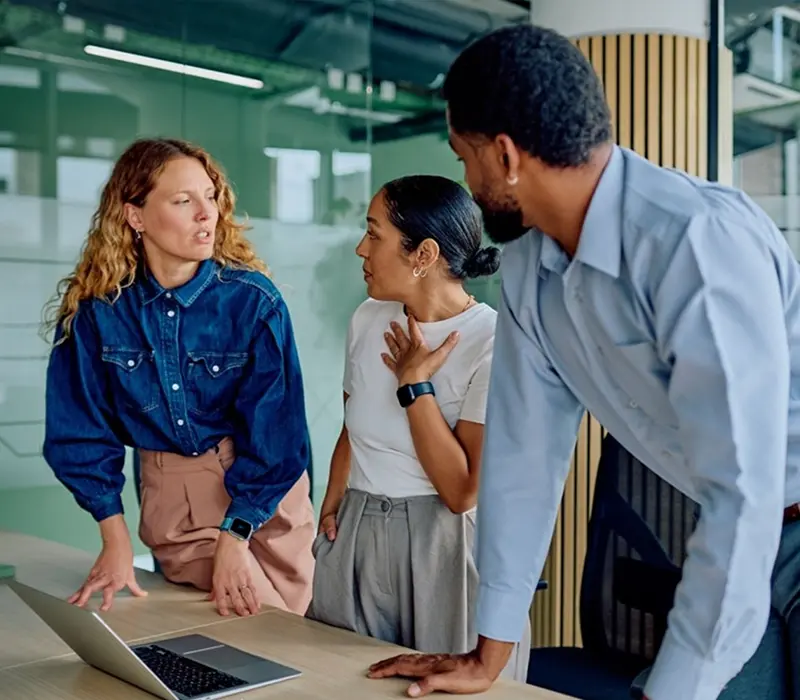
For teams responsible for workplace communications, this has real consequences. When important messages are missed, organisations risk poor alignment, weaker culture, lower awareness, and critical information failing to reach the people who need it.
Why important messages get lost
Most organisations already have plenty of communication channels. Email, chat platforms, intranets, and newsletters all play a role. The problem is that many of these channels depend on active attention. Employees need to open, check, click, or search before the message is even seen.
That makes them useful for detailed information, but less effective for reinforcement. Messages often need to be seen more than once to be remembered, yet repeating the same message too often in email or chat will quickly feel intrusive.
Why repetition matters
One-off communication is rarely enough. People forget information quickly, especially when they are already overloaded with competing messages. If organisations want key messages to stick, they need repetition over time.
The challenge is finding ways to reinforce communication without adding to the noise.
That is where the channel mix becomes important. Instead of relying too heavily on channels that require action, organisations need communication surfaces that sit more naturally in the flow of the workday.
A better way to cut through
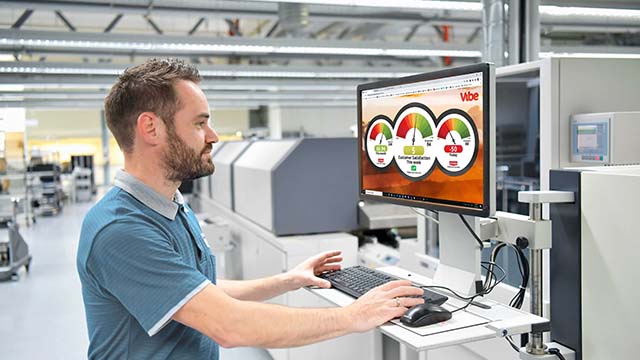
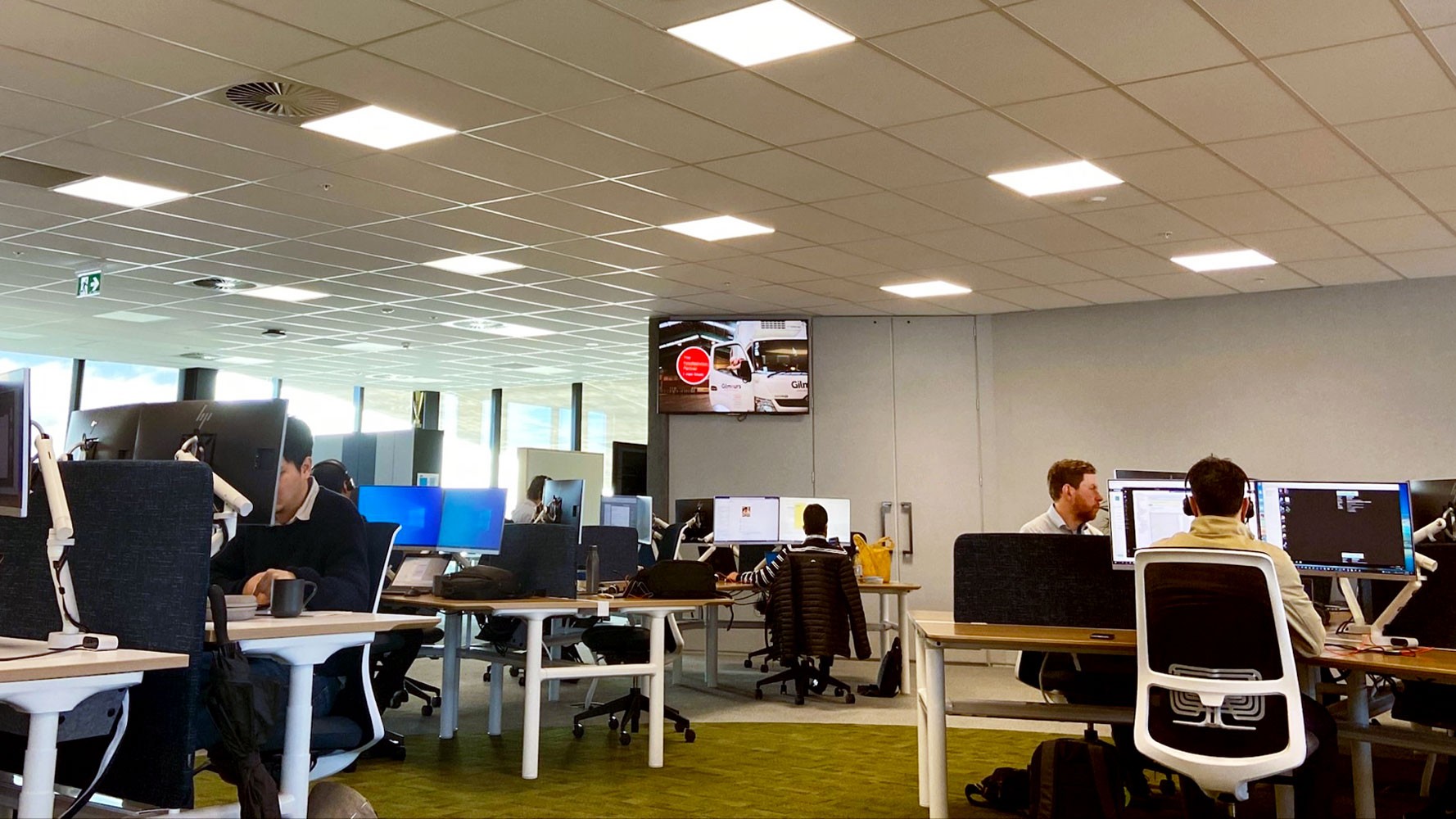
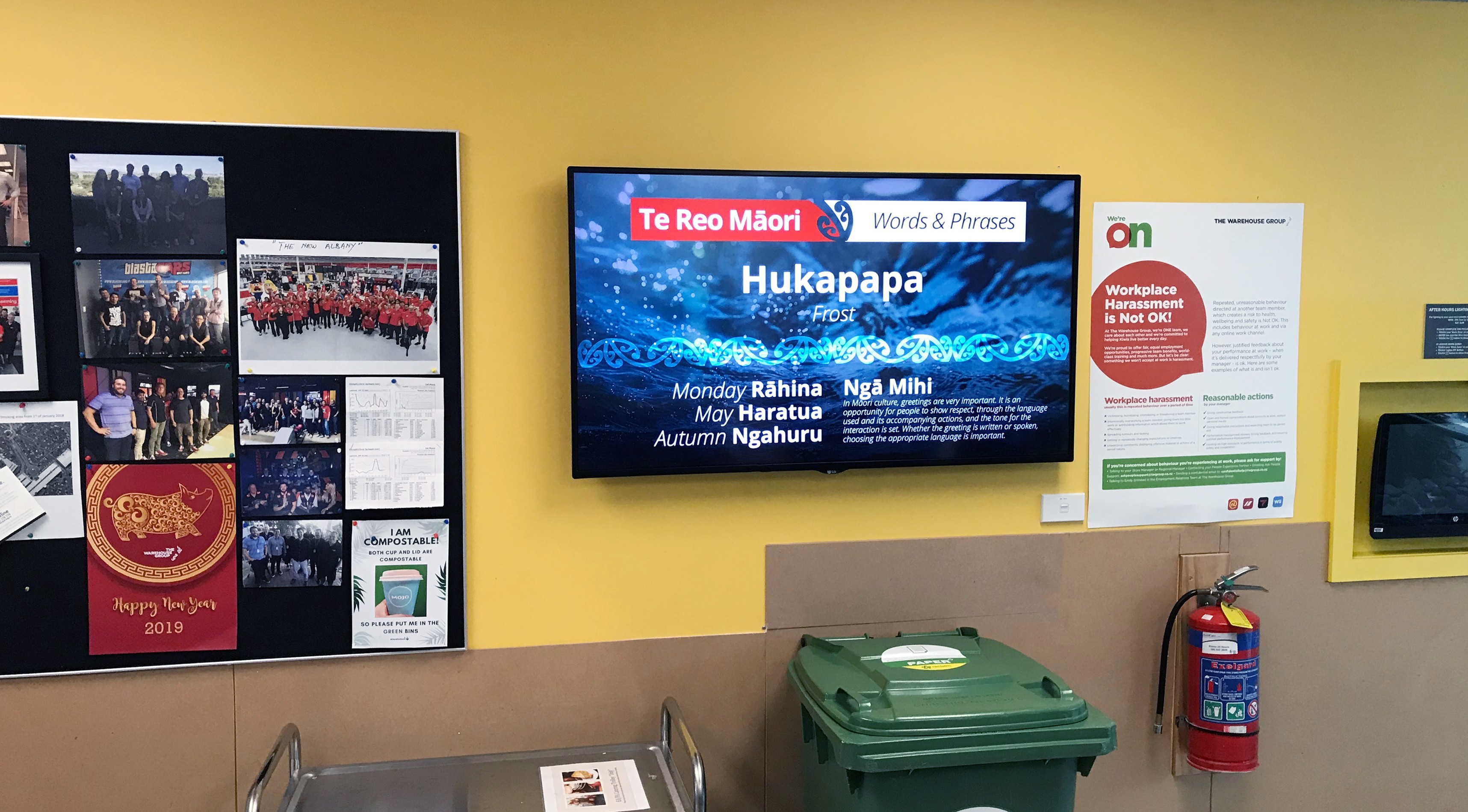
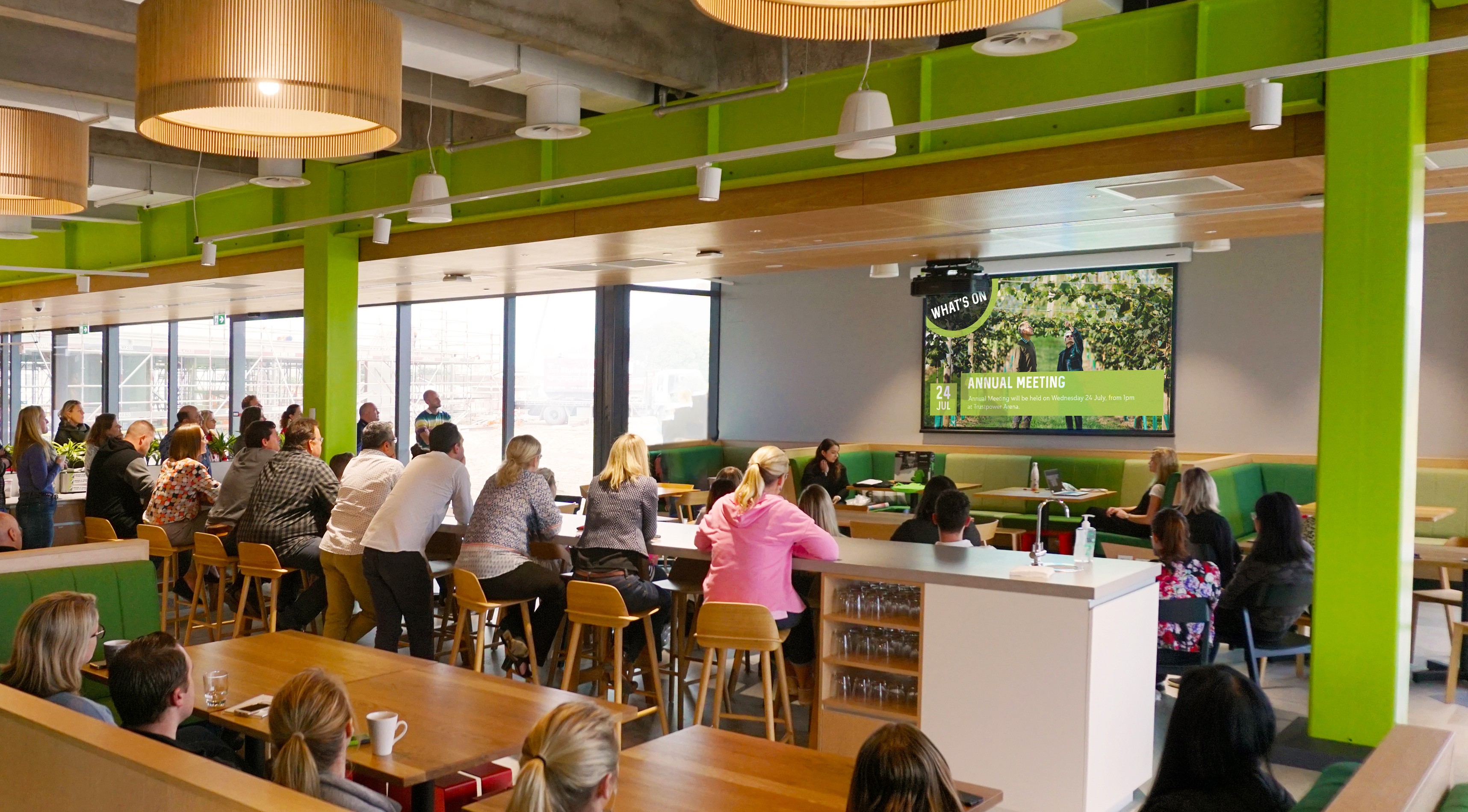
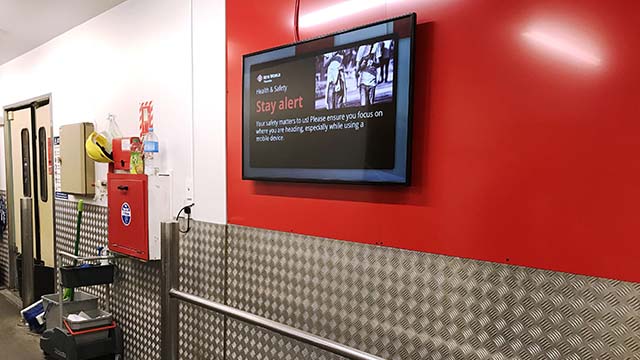
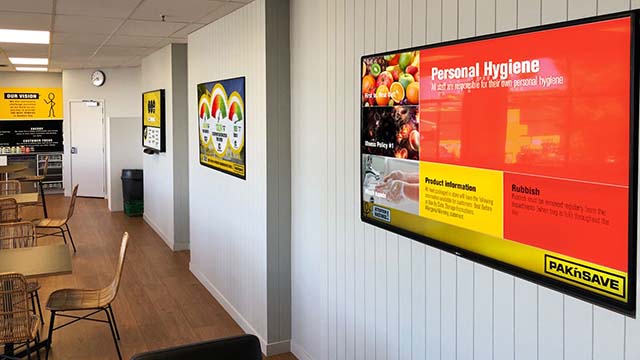
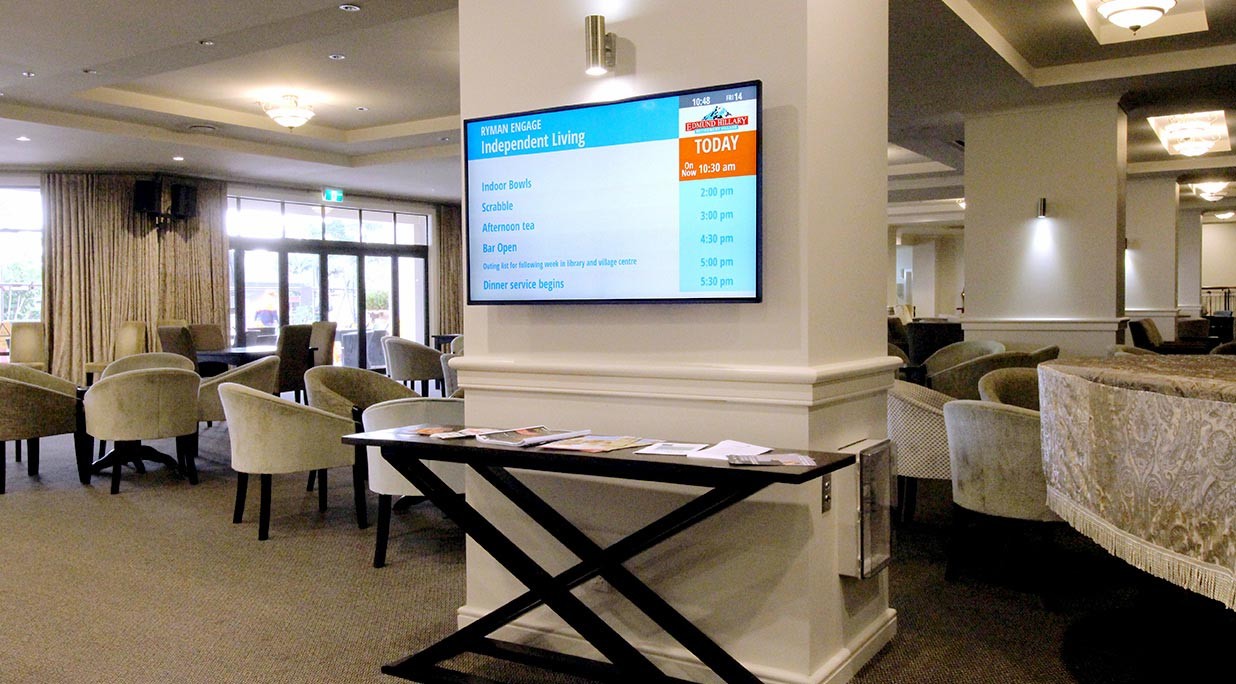
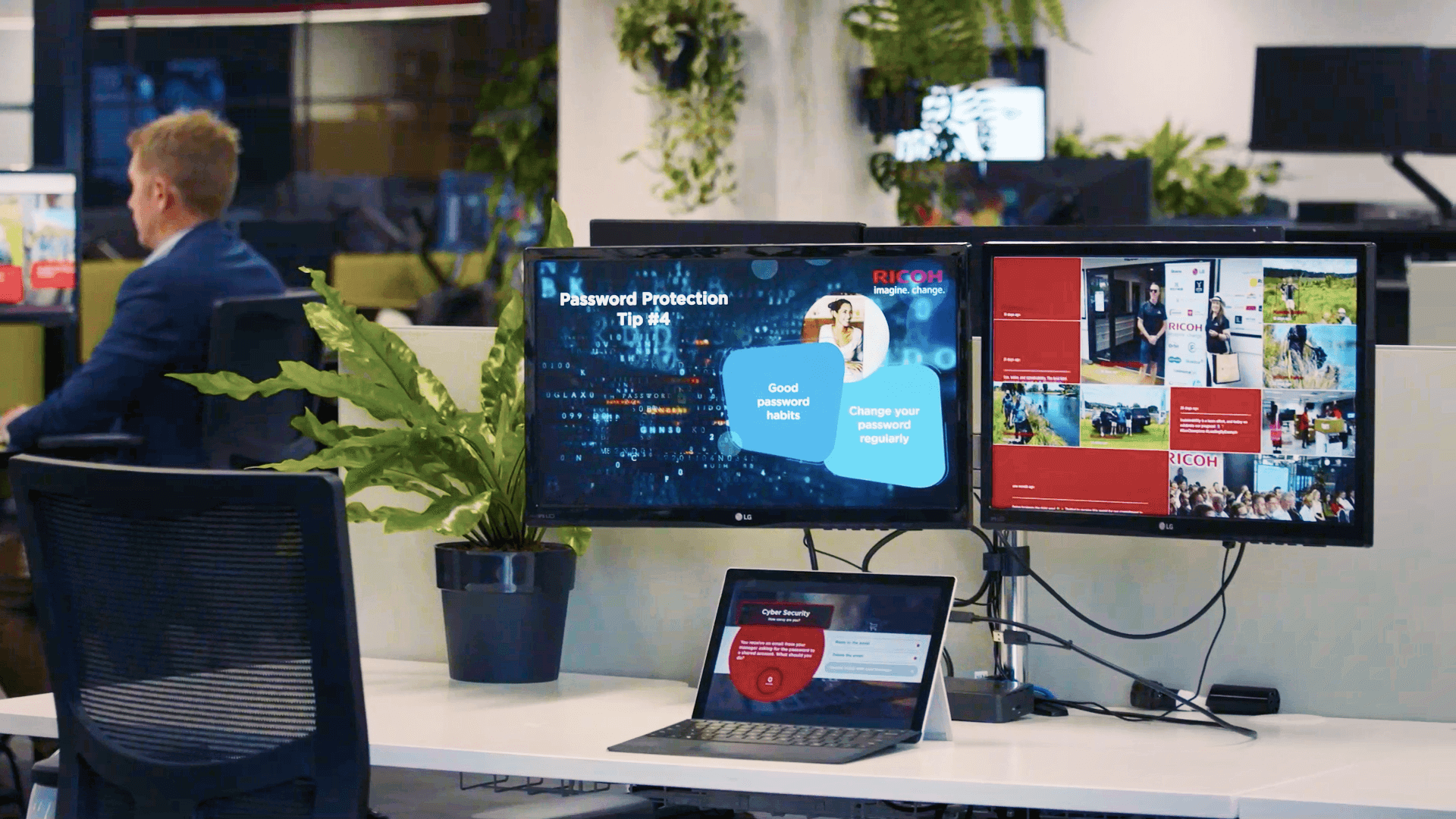
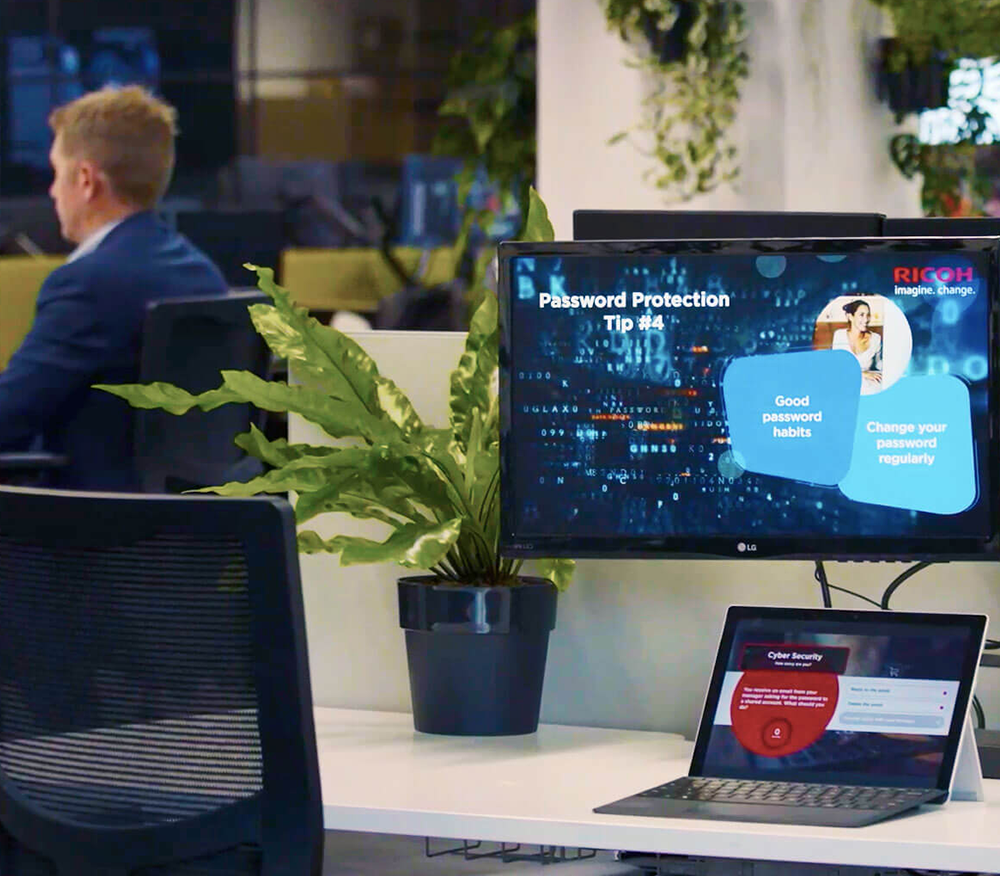
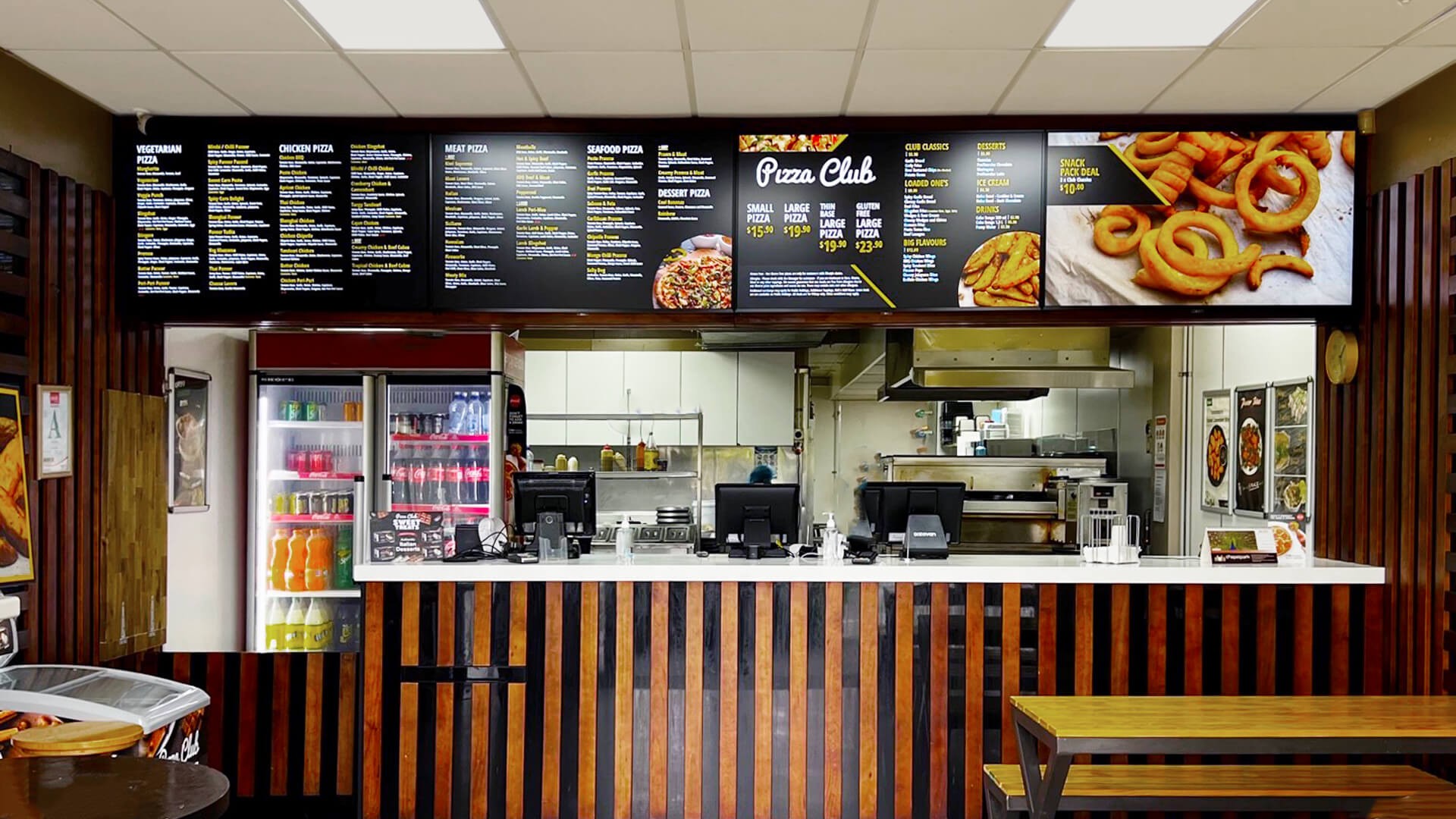
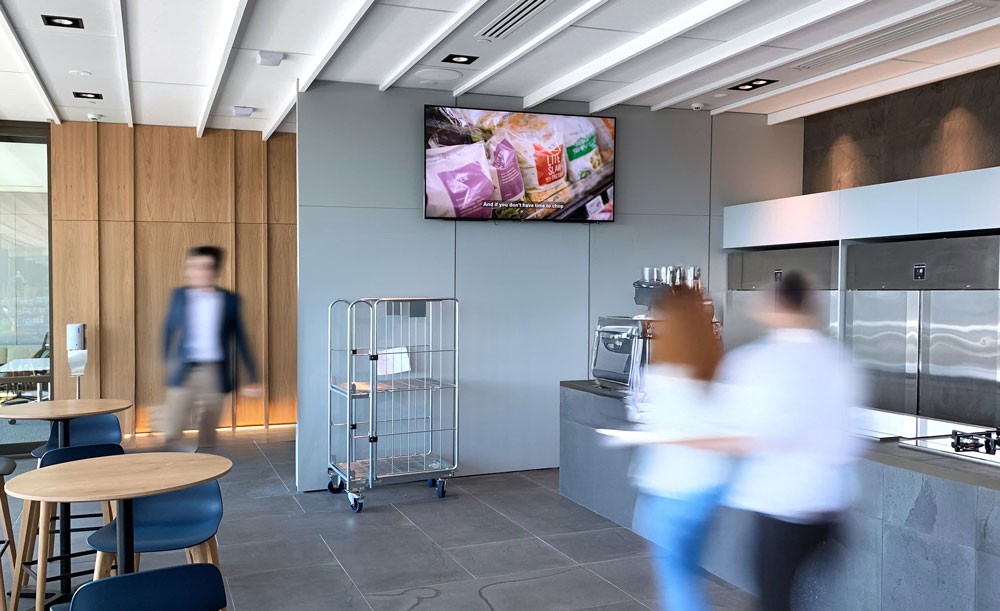
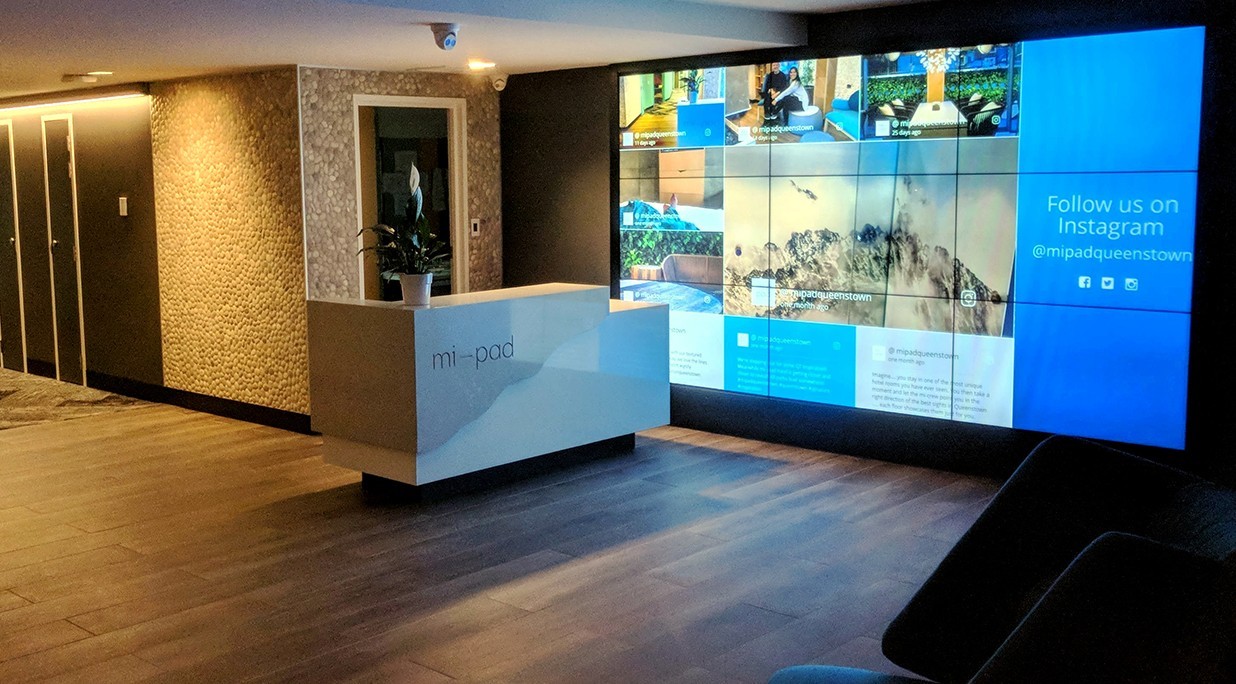
The most effective communication is often the communication people see without having to go looking for it. This is where corporate digital signage and other passive channels become valuable. Rather than competing inside already crowded platforms, they place messages in visible spaces employees encounter every day.
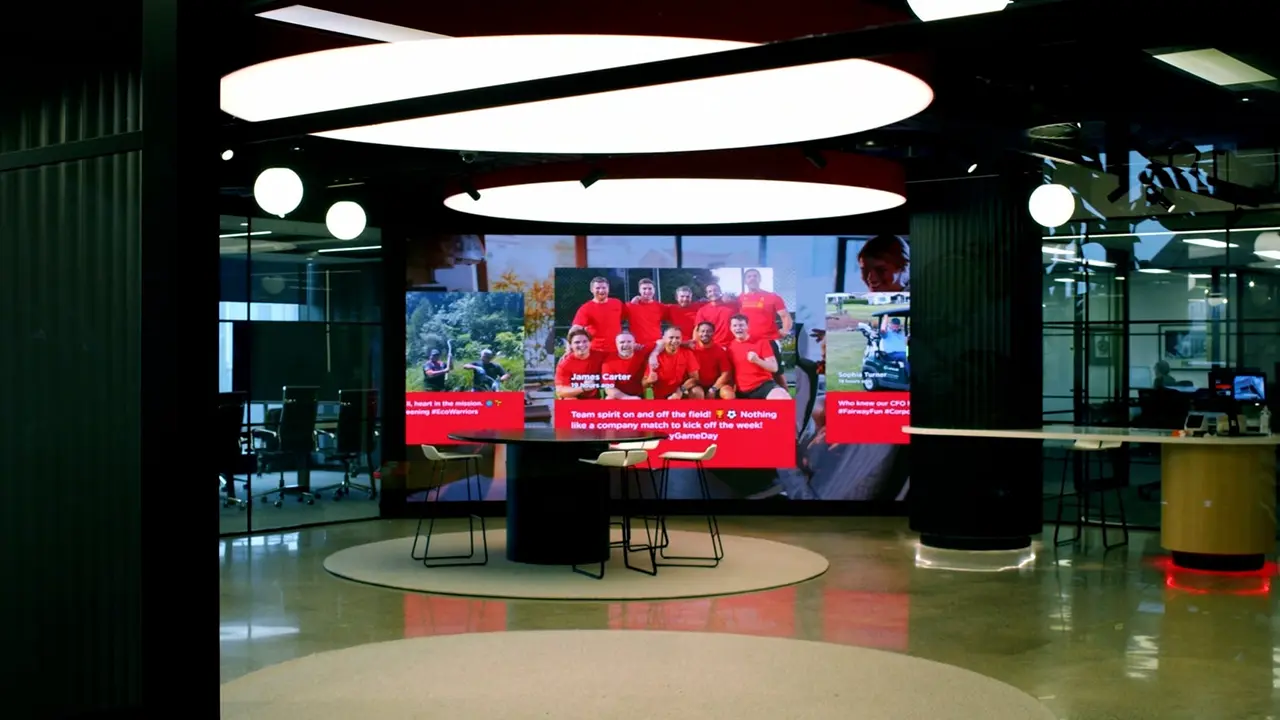
This can include:
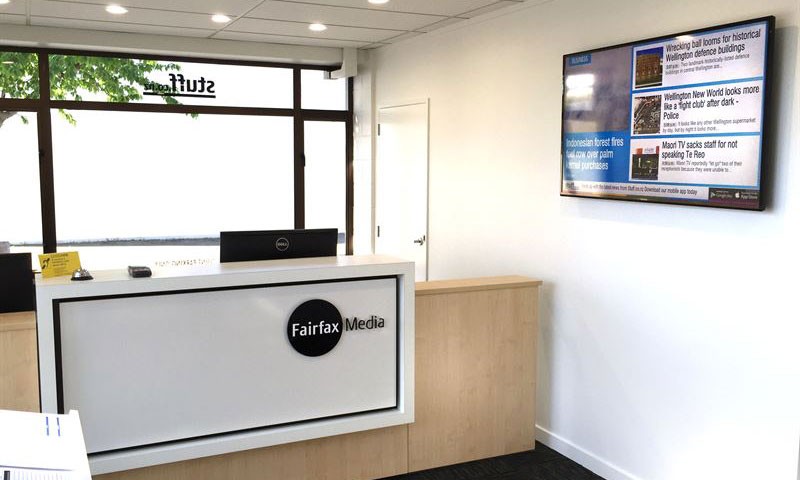
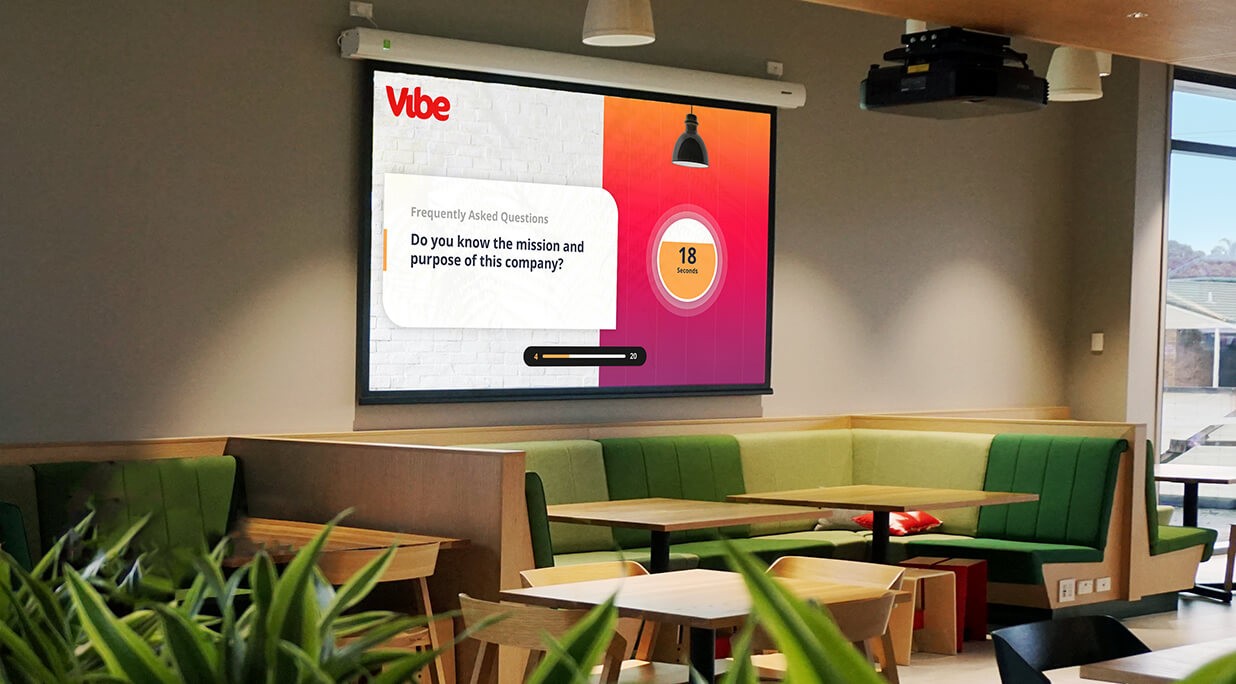
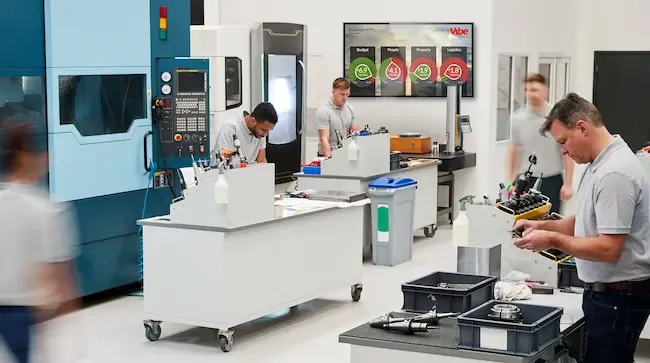
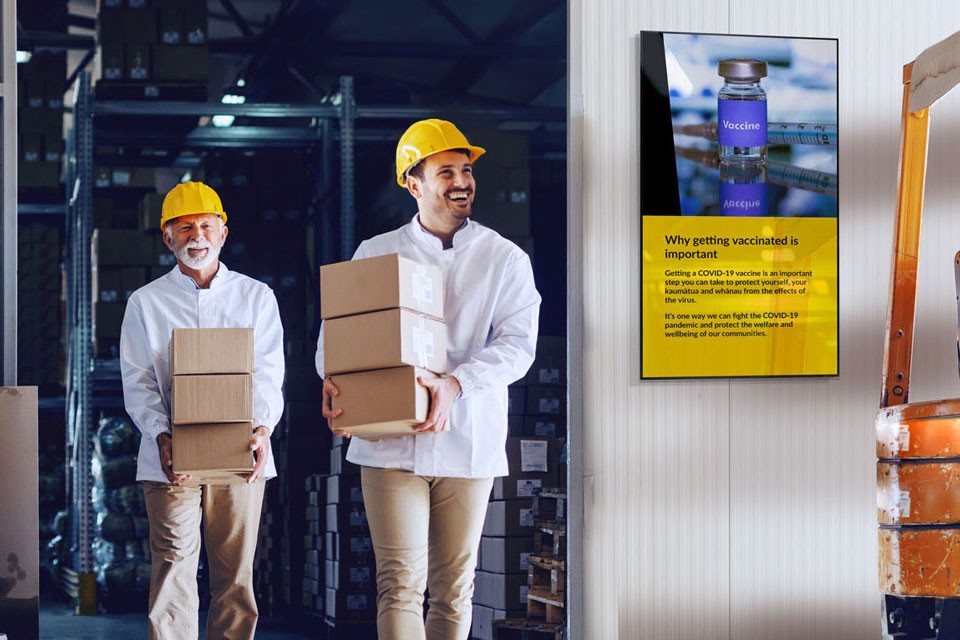
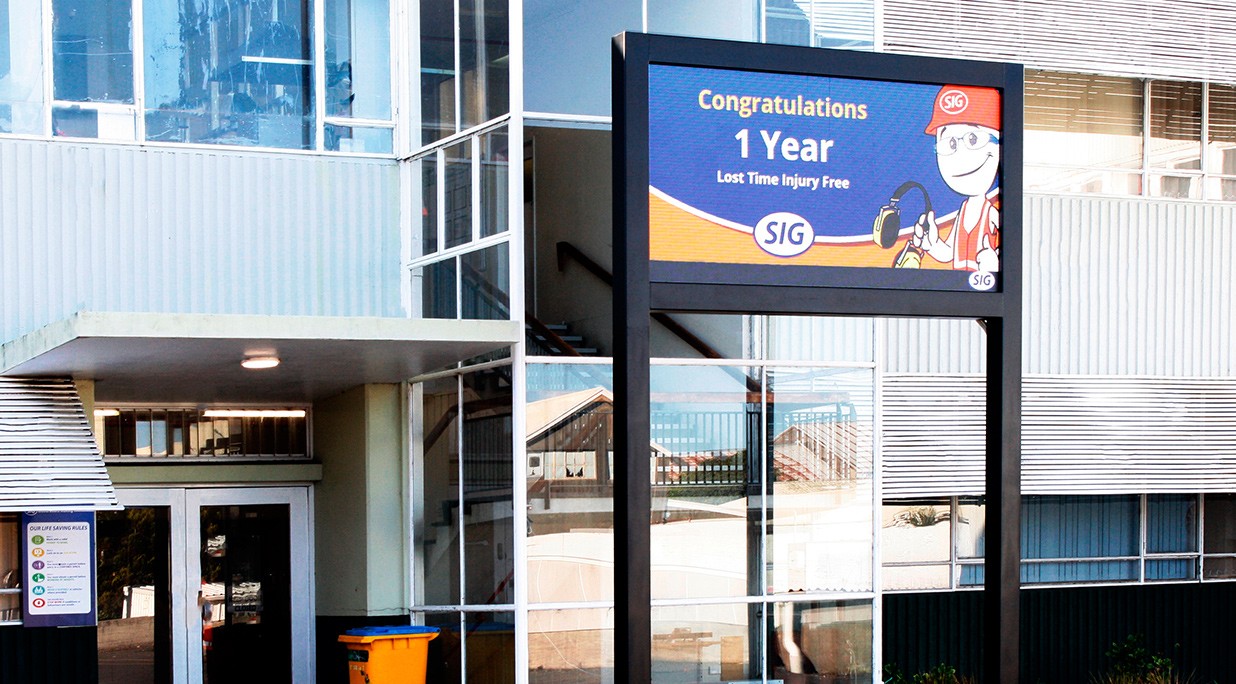
- Digital screens in shared spaces
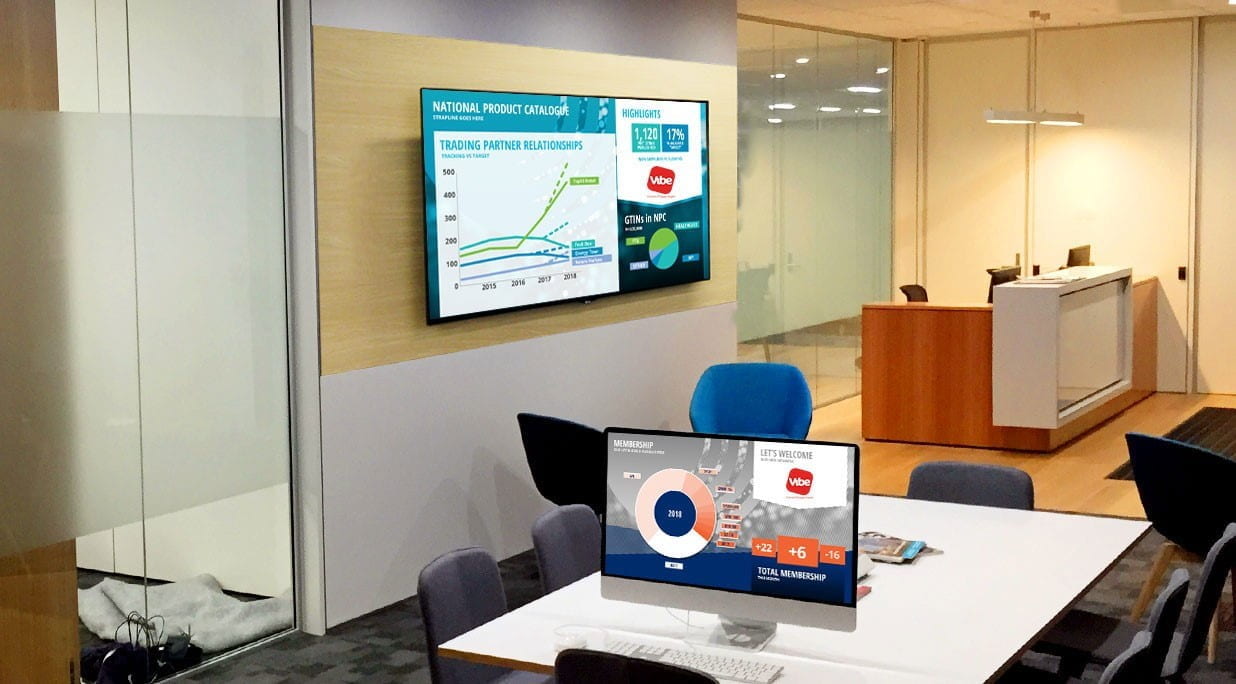
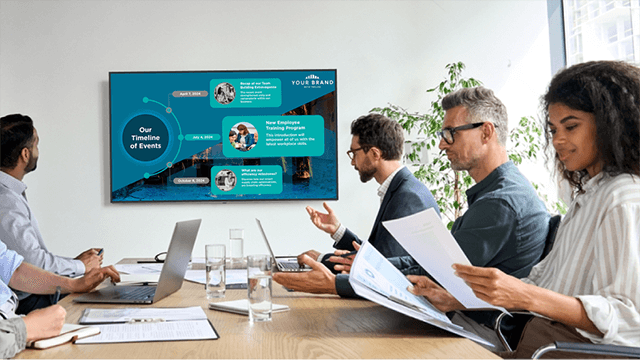
- Meeting room displays
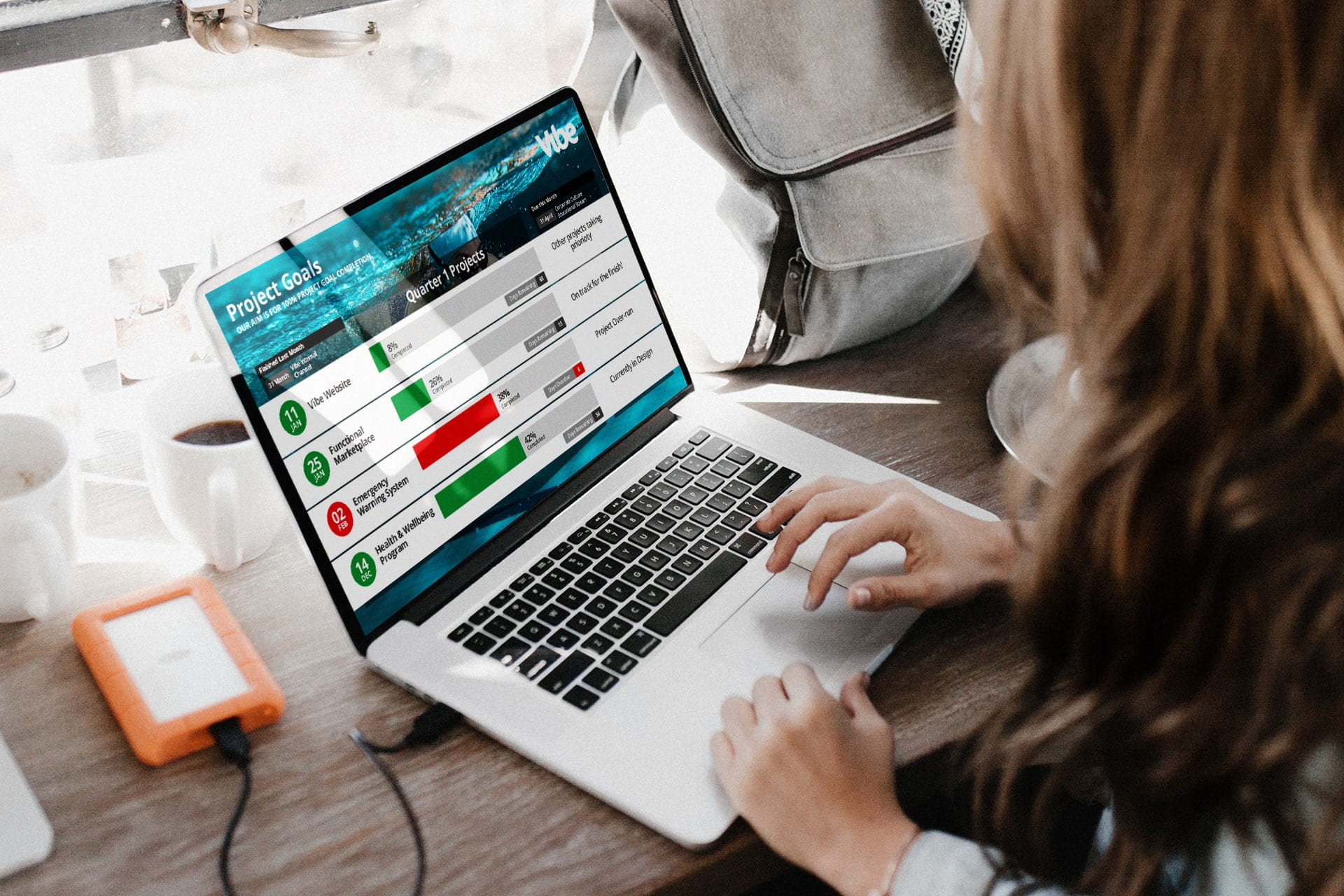
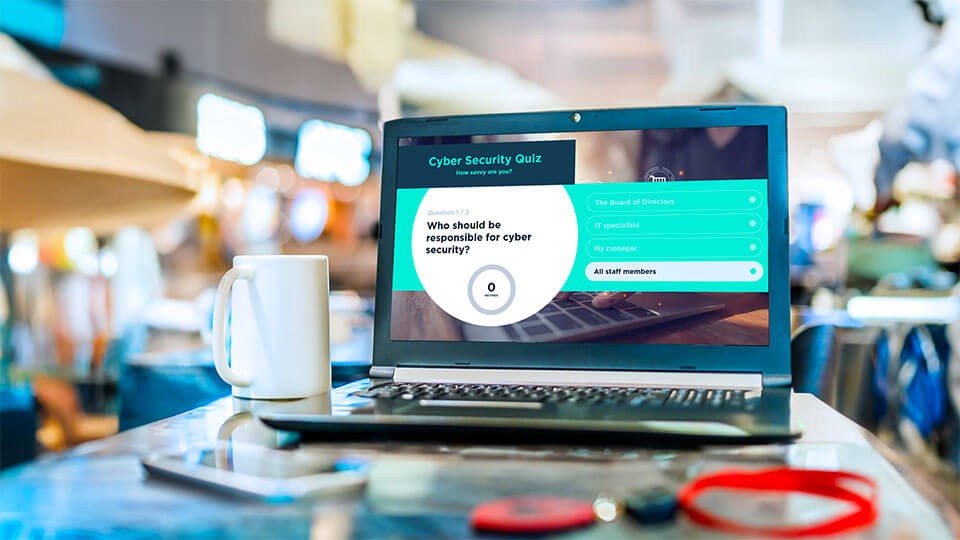
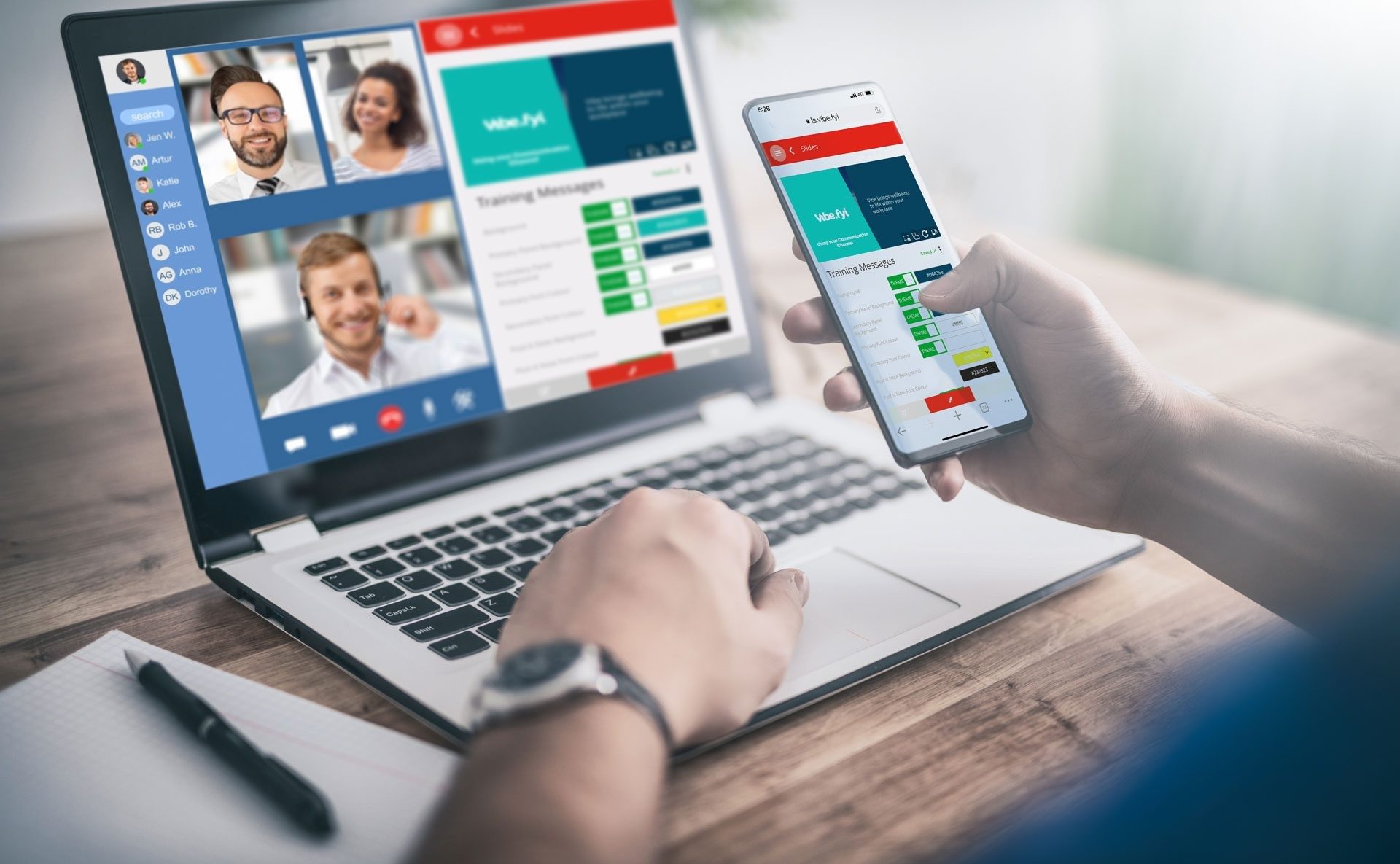
- Desktop screensavers
- Web browser home screens
- Lock screens
- Desktop wallpapers
These channels help organisations reach frontline, office-based, and hybrid employees in a way that feels more natural and less disruptive. They support repeated visibility without relying on employees to open another app or return to another platform.
Why visual communication works
To cut through the noise, communication needs to be easy to notice and easy to absorb. Short, visual, well-placed messages are more likely to be seen in the flow of the day than long-form content buried in already saturated channels.
That is what makes digital signage for employee communications such an effective part of a broader strategy. It gives communication teams a way to reinforce key messages in high-visibility moments, without simply increasing message volume.
Visibility without fatigue
Of course, visibility alone is not enough. If the same content is shown too often for too long, people stop noticing it. Effective reinforcement depends on content being refreshed, paced properly, and used strategically.
The goal is not constant repetition. It is smart repetition.
The future of workplace communications
The future of employee communications will not be shaped by who sends the most messages. It will be shaped by who understands how to make important messages visible, timely, and memorable.
For modern workplace communications, that means moving beyond overloaded channels and making better use of the screens and surfaces employees already see every day. It means using corporate digital signage and other passive channels to reinforce communication where attention already exists.
About the Author

Vaughan Reed has over 20 years of experience in the digital communication space, driven by a core belief that effective communication is mission-critical for organisational success. As Founder and CVO of Vibe.fyi, he helps communication teams connect with hard-to-reach, hybrid, and deskless employees through vibrant, visual content that's seen often and a part of the daily rhythm at work. Vibe's purpose-built SaaS platform delivers compliance, wellbeing, safety, and culture-building messages across everyday digital touchpoints, from communal screens to desktop and browser displays, transforming workplace communication for the modern era.










-min.jpg)
-min.jpg)



















![64 Social Media Holidays for Your Internal Comms Content Calendar [NZ]](/media/website_posts/185/calendar-background.jpg)



![[UK] 8 ways to help your employees through the cost-of-living crisis that doesn’t involve a pay raise](/media/website_posts/179/personal-finances.jpg)





![[2022] 9 proven ways to influence employee engagement within the manufacturing sector](/media/website_posts/160/Mockup-Manufacturing-03-LTI.jpg)